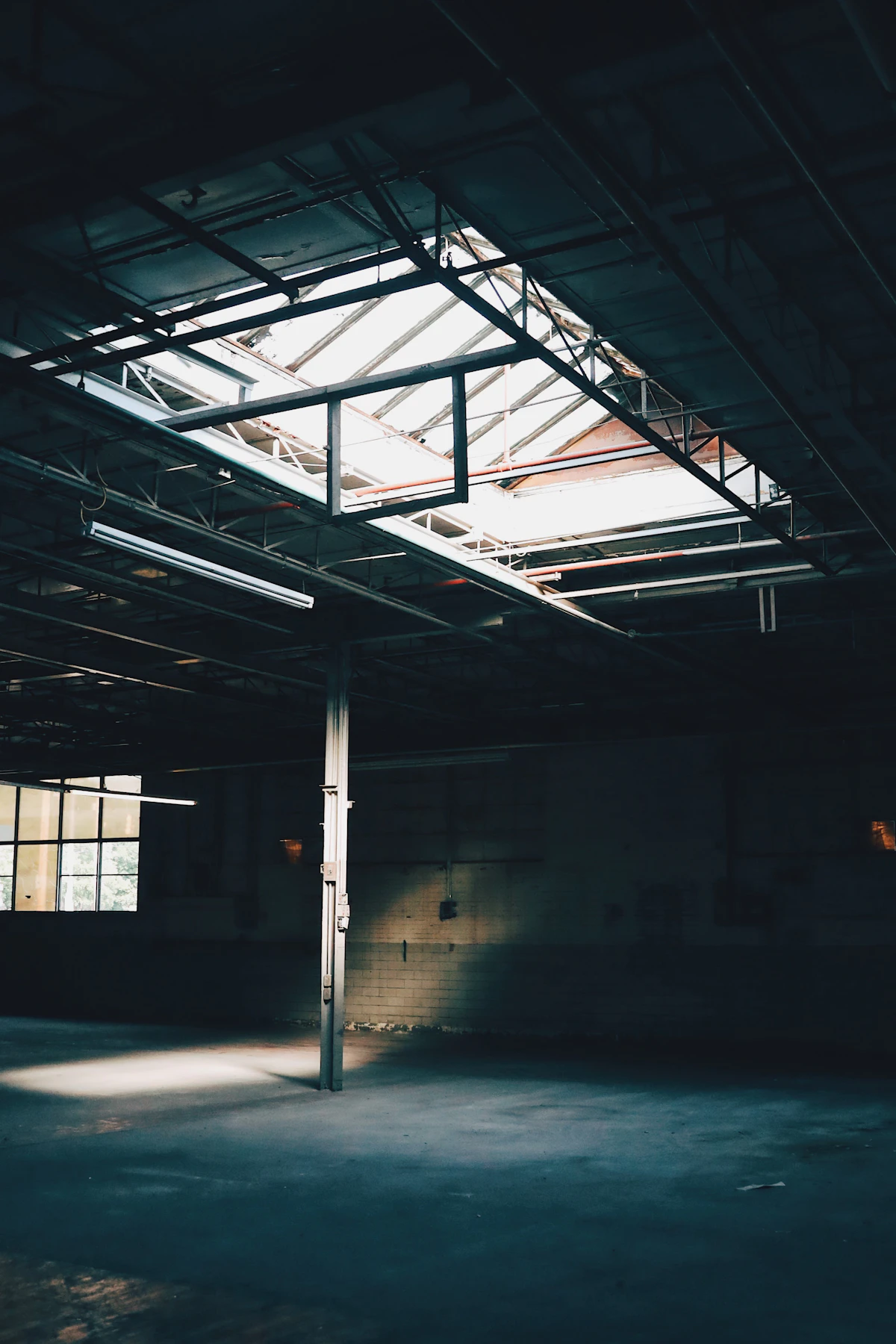
The business has moved out. On the next visit, the owner finds water across part of the floor. The damage is visible. The cause and the insurance answer take a closer look.
A fictional teaching scenario. No actual customer or claim is depicted.Open the case ↗
Illustrative property photograph · not a photograph of the fictional incident
The discovery
The floor is wet. What does that tell us?
It establishes that water is present. It does not establish where the water came from, when the damage began, or how a policy will respond.
BeforeThe business moves out.
The building’s day-to-day use changes.
DiscoveryWater is found during a visit.
The visible damage starts the inquiry.
ReviewThe facts meet the policy.
Cause, occupancy, and conditions all matter.
01The source of water+
A supply line, water entering from outdoors, and an ongoing leak can leave similar-looking damage. They raise different coverage questions. A photograph of wet flooring alone cannot identify the source or establish whether a covered cause of loss occurred.
02How the building was used+
The business moving out is relevant, but “empty” is not a substitute for the policy’s definition of vacancy. The length of time, any remaining use, and the particular wording need to be considered together. This story does not assign a universal deadline.
03The policy and its conditions+
The covered causes of loss, water exclusions, vacancy provisions, applicable conditions, endorsements, deductible, and valuation basis all belong in the review. The policy’s name or a description such as “special form” is not a promise that every water loss is covered.
Change one fact
Similar damage. A different starting question.
Keep the fictional building the same. Change the assumed source of the water and see why the review takes a different path.
Assumption / A sudden supply-line failure
Where the water escaped matters.
This version assumes a supply line failed suddenly inside the building. That makes the policy’s accidental water-discharge wording relevant. Vacancy, freezing, maintenance, and other applicable exclusions or conditions may still affect the answer.
The unresolved questions
What caused the failure? When did it happen? What does the actual policy say about this kind of damage while the building is vacant?
Assumption / Water entered from outdoors
“Water damage” is not one cause of loss.
This version assumes water entered from outside. The review first needs to distinguish possibilities such as surface water, flooding, or rain entering through an opening. Those causes can have different treatment under the property policy and any separate coverage.
The unresolved questions
How did the water enter? Was another event involved? Which exclusions, exceptions, endorsements, or separate policies apply to that cause?
What the case reveals
The damage is visible. The terms need a closer look.
The same wet floor can sit at the end of very different events. Understanding the source of damage, the property’s actual use, and the policy terms explains why a claim cannot be decided from a photograph or a short label.
This case does not predict a payment or denial. It illustrates the information that matters when the facts of a loss are reviewed against a policy.