The property
Property coverage addresses covered physical damage to the insured building or other listed property. A detached garage, furniture, and materials may have separate limits or need to be added.
For property in transition
Empty now. Ready for what’s next.
Empty homes, unused buildings, and open land have different insurance needs. Learn what coverage can include, where restrictions apply, and what changes when the property’s use changes.
Common situations
A gap between tenants, a sale, and a renovation can affect insurance in different ways. Here is how the coverage questions change with the situation.
How coverage can change
Moving out and selling are two different events. During the time between them, the property can still suffer damage or be involved in a liability claim. A pending sale does not remove the vacancy conditions in an existing policy.
More about this coverageGeneral explanations. The actual policy determines coverage.
Different properties. Different coverage.
Vacancy insurance is not one policy with the same coverage for every property. A house has rebuilding costs, a commercial building may have multiple tenants, and an empty lot is usually a liability concern.
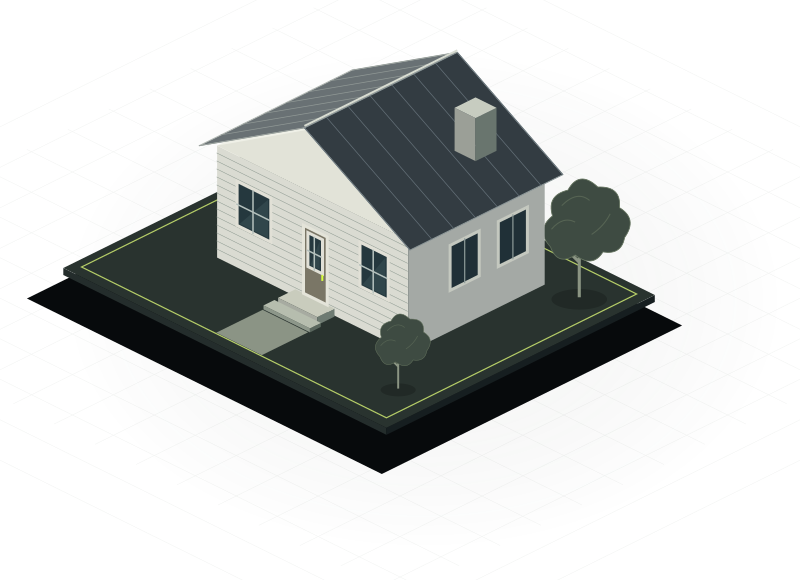
A home for sale, an inherited house, or a rental between tenants can need different coverage from an occupied home.
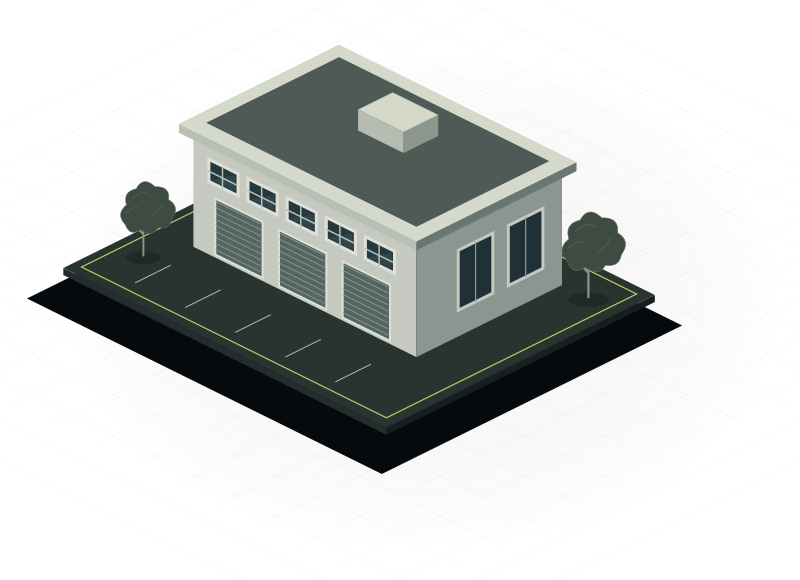
02An empty store, office, or warehouse has property and liability exposures even after the business closes.
 03
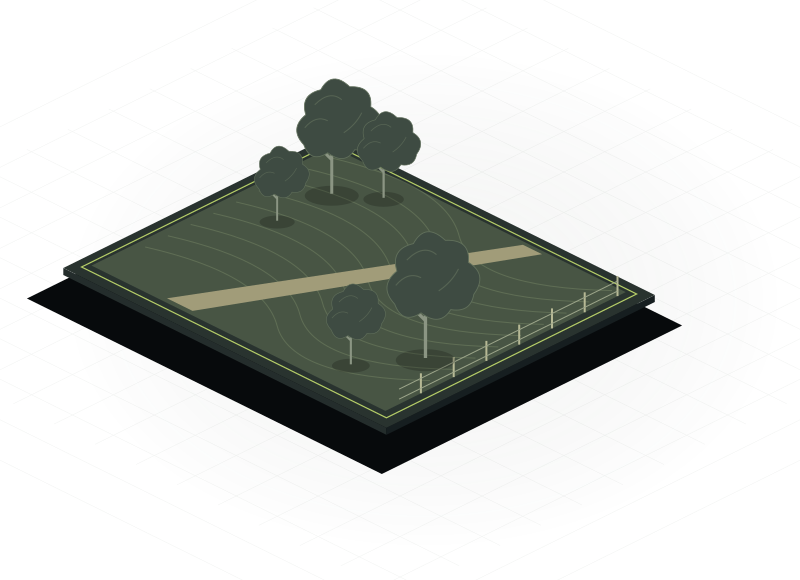
Liability coverage can address covered claims involving injury or damage connected to an empty lot.
 04
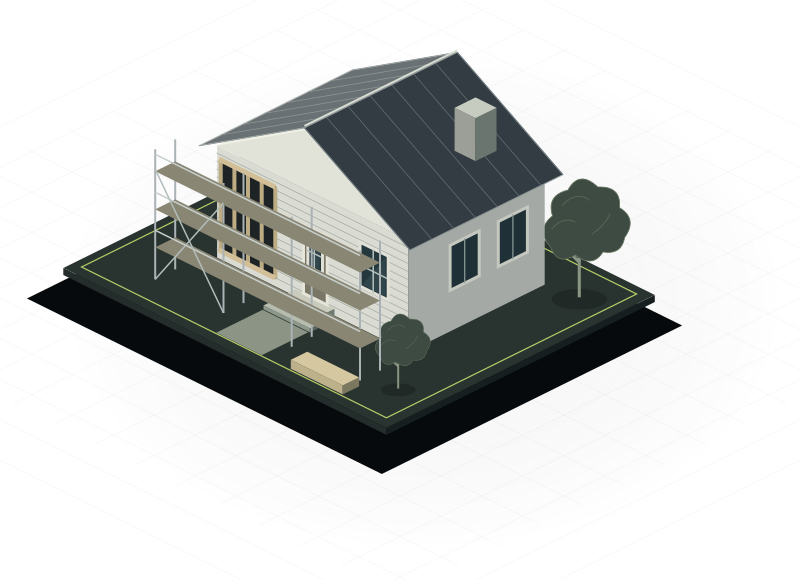
The original building, work in progress, and materials can need separate attention during construction.
Understanding the coverage
Property coverage addresses covered physical damage to the insured building or other listed property. A detached garage, furniture, and materials may have separate limits or need to be added.
Liability coverage addresses covered claims involving injury or damage to others. It serves a different purpose from repairing your own building and may be arranged separately.
Vacancy, renovation, and ordinary occupancy are different conditions. A policy that fits an empty building may need to change when construction starts or a tenant moves in.
Understand the cost
The premium reflects the property’s risk and the coverage being purchased. Rebuilding value, condition, location, deductibles, and exclusions can make two quotes very different—even for the same address.
Explore insurance costWhy vacancy matters
Without someone there every day, water can keep running long after a pipe or connection fails. The cause of the damage and the policy’s water provisions determine whether coverage applies.
Broken windows, stolen fixtures, and vandalism are different losses. A policy may cover one while excluding another, even when they happen during the same break-in.
Heat, alarms, and fire protection may need to remain in service. Insurance can include specific protective-system or inspection conditions while the property is empty.
Coverage depends on the cause of loss and the actual policy terms.
Location affects coverage
A coastal building, a house exposed to freezing weather, and a remote parcel face different risks. Local weather, fire protection, and state-specific insurance options can affect both price and coverage.
The property’s location matters even when its owner lives elsewhere. Our directory includes all 50 states; actual options depend on the property and authorized agency handling.
Explore the state directoryVacant property insurance is coverage intended for a home, building, or parcel that is empty or no longer used as usual. A building policy may address covered physical damage, while liability coverage addresses covered claims involving injury or damage to others. An empty lot usually presents a different insurance need from a house with a rebuilding value.
Link to this answerAn unoccupied home may remain furnished and ready for its residents to return. A vacant home may no longer be used as a residence. The distinction matters because a policy can apply different restrictions to each situation. The actual definition, the property’s use, and the facts determine which applies.
Link to this answerAn existing homeowners policy may provide some coverage, but it may limit or exclude losses once the house is vacant. Paying the premium does not remove those conditions. Depending on the property and insurer, a vacancy endorsement or a separate policy may be appropriate.
Link to this answerCost depends on the property, location, condition, and coverage. Building value, construction, fire protection, vacancy history, and planned work can all affect the review. Land liability and building coverage are priced differently. A meaningful comparison includes limits, exclusions, deductibles, and policy length alongside the premium.
Link to this answerSome vacant home policies permit limited repairs, but that does not mean every renovation is covered. Structural changes, roof replacement, or a gutted interior may require a construction arrangement. The original building, the value of new work, and occupancy during the project each affect the insurance needed.
Link to this answerNo. A request, a quote, and an issued or bound policy are different stages. Coverage begins only when it has been confirmed for the applicable effective date and time and the required conditions have been met. The online form starts a request for review; it does not arrange coverage by itself.
Link to this answerWhen you’re ready
A quote brings the coverage, price, and terms together for the property you own.